00Software engineering company
Ter
Motte
We design, build and maintain software for companies that depend on it every working day — custom systems, web and mobile applications, cloud platforms and the engineering practices that keep them dependable.
- Custom software
- Built to your process
- Web & mobile
- One engineering team
- Cloud & DevOps
- Automated delivery
- QA & support
- After launch too
Fig. 01 — Systems drawn before they are built
01Company overview
A company organised around engineering
TER MOTTE is an IT company that takes software from a first conversation to a running, supported system. We work with organisations that need software shaped around their own operations: a process no product covers, a data model no template fits, or an integration that has to work every hour of the day.
Our work covers the full lifecycle — discovery and architecture, interface design, implementation, testing, deployment and long-term maintenance. The same team stays with a system across those stages, which removes the gaps where requirements and responsibility are usually lost.
We choose established technologies, write code intended to be read by other people, and document what we build. That approach keeps systems changeable years after the first release, which is where most of the cost of software actually sits.
Engagements are shaped to the situation. Some clients need a complete delivery team; others need specific capabilities added to an existing group, or an independent assessment before committing to a direction.
02Core services
What we deliver
Ten service areas that combine into one delivery capability. Detailed descriptions of each are on the Services page.
- 01
Custom software development
Systems built around a specific operational model rather than a generic product template.
- 02
Web application development
Browser-based platforms, portals and dashboards designed for daily, long-session use.
- 03
Mobile application development
Applications for iOS and Android that behave correctly on unstable networks and older devices.
- 04
UI/UX design
Interface structure, interaction patterns and design systems grounded in real workflows.
- 05
Cloud solutions
Cloud architecture, migration and cost-aware infrastructure design.
- 06
DevOps and infrastructure
Pipelines, infrastructure as code, observability and predictable release mechanics.
- 07
IT consulting
Technical assessments, architecture reviews and roadmaps for teams facing a decision.
- 08
Quality assurance and testing
Test strategy, automation and release verification across the delivery pipeline.
- 09
System integration
Reliable data exchange between applications, services and third-party providers.
- 10
Maintenance and technical support
Ongoing care of live systems: updates, monitoring, incident response and improvements.
03 Industries served
Contexts we work in
Domain matters less than the shape of the problem, but experience with a sector shortens the distance between a requirement and a working system.
Retail and commerce
Order handling, inventory visibility, pricing rules and customer-facing storefront logic.
Logistics and operations
Scheduling, tracking, warehouse workflows and integrations with carrier systems.
Professional services
Client portals, project accounting, document handling and internal reporting tools.
Manufacturing and field work
Production data capture, maintenance records and mobile tools for offline environments.
Financial and administrative software
Auditable processes, permission models, reconciliation and structured reporting.
Technology products
Platform engineering support for teams that ship a software product as their business.
04Business challenges
Problems we
are asked to solve
- Software that no longer fits the business
- Processes changed, the system did not. We map the gap and rebuild or extend the parts that cause the most friction, without pausing daily operations.
- Manual work that should be automated
- Spreadsheets, re-entered data and copy-paste between tools. We replace those steps with validated workflows and integrations that keep a single source of truth.
- Systems that cannot talk to each other
- Separate tools holding overlapping data. We design integration layers with clear contracts, retries and monitoring so data moves reliably.
- Releases that feel risky
- Manual deployments and unclear rollback paths. We introduce automated pipelines, environment parity and tests that make releases routine.
- Performance and scale limits
- Slow pages, long queries and infrastructure that reacts badly to load. We measure first, then fix the causes rather than the symptoms.
- Uncertainty about the next technical step
- A decision on architecture, platform or vendor with long-term consequences. We provide an assessment with trade-offs stated plainly.
05Development capabilities
The engineering disciplines held in one team
Backend engineering
APIs, domain logic, data modelling, background processing and service boundaries.
Frontend engineering
Component architecture, state management, accessibility and rendering performance.
Mobile engineering
Native and cross-platform delivery, offline behaviour, release management and store submissions.
Data and storage
Relational schema design, migrations, caching strategies, search and reporting pipelines.
Cloud and infrastructure
Environment design, containerisation, infrastructure as code, monitoring and alerting.
Automation and QA
Test pyramids, CI pipelines, static analysis and repeatable release verification.
06Working process
Six stages, repeated per increment
The sequence is deliberately short. Each stage produces something reviewable, so direction can be corrected while it is still inexpensive.
- 01
Discovery
We collect the business context, constraints, users and the systems already in place, and agree on what success means in measurable terms.
- 02
Architecture and planning
We define the technical approach, data model, integration points and delivery stages, including the risks we expect and how they are handled.
- 03
Design
Interface structure and interaction patterns are drafted and reviewed before implementation, so decisions are cheap to change.
- 04
Implementation
Work proceeds in short iterations with code review, automated tests and a demonstrable increment at the end of each cycle.
- 05
Verification
Functional, integration, performance and security checks run against an environment that mirrors production.
- 06
Release and support
Deployment is automated and documented, followed by monitoring, feedback and an agreed support cycle.
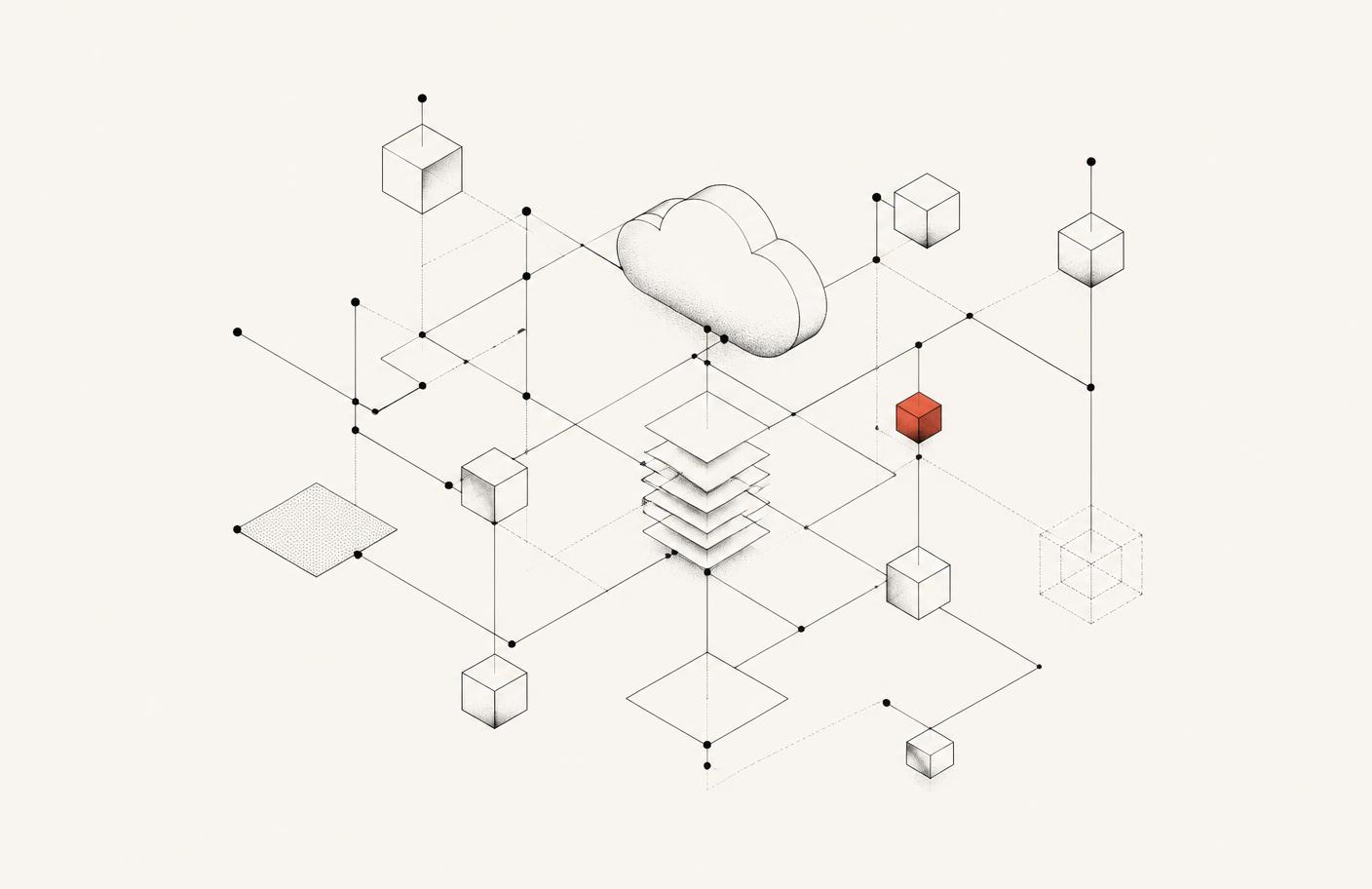
Fig. 02 — Distributed system, drawn as a plan
07Technology expertise
Established tools, chosen per problem
We favour widely supported technologies with long maintenance horizons. A stack is selected for the specific system, its expected lifespan and the people who will operate it.
| Languages | TypeScript, JavaScript, Python, Java, Kotlin, Swift, Go, SQL |
|---|---|
| Web | React, Next.js, Node.js, REST and GraphQL APIs, server-side rendering |
| Mobile | Swift, Kotlin, React Native, Flutter, offline synchronisation |
| Data | PostgreSQL, MySQL, MongoDB, Redis, message queues, analytical reporting |
| Cloud | AWS, Google Cloud, Microsoft Azure, containerised and serverless workloads |
| Delivery | Docker, Kubernetes, Terraform, CI/CD pipelines, observability tooling |
08 Quality and security
Reliability is a practice, not a promise
Reviewed by default
No change reaches a main branch without review. Reviews cover correctness, readability and the effect on surrounding code.
Tested at several levels
Unit tests for logic, integration tests for boundaries, and end-to-end coverage for the paths a business depends on.
Secure by construction
Access control, input validation, secret handling, dependency updates and least-privilege infrastructure are part of the build, not an afterthought.
Observable in production
Logging, metrics and alerting are defined with the feature, so problems surface before users report them.
Data handled deliberately
We collect only what a system needs, document where it is stored, and design retention and deletion paths from the start.
Documented and traceable
Architecture notes, runbooks and release records stay with the code so the system remains maintainable by others.
09Collaboration principles
How we work with your team
- Direct communication
- You speak with the engineers doing the work. Status is reported honestly, including when something is late or harder than expected.
- Visible progress
- Work is demonstrated in running software at regular intervals rather than described in status documents.
- Shared decisions
- Technical choices with a business impact are explained in plain language with the trade-offs attached.
- No lock-in by design
- We use mainstream, well-documented technologies and hand over full access to code, infrastructure and documentation.
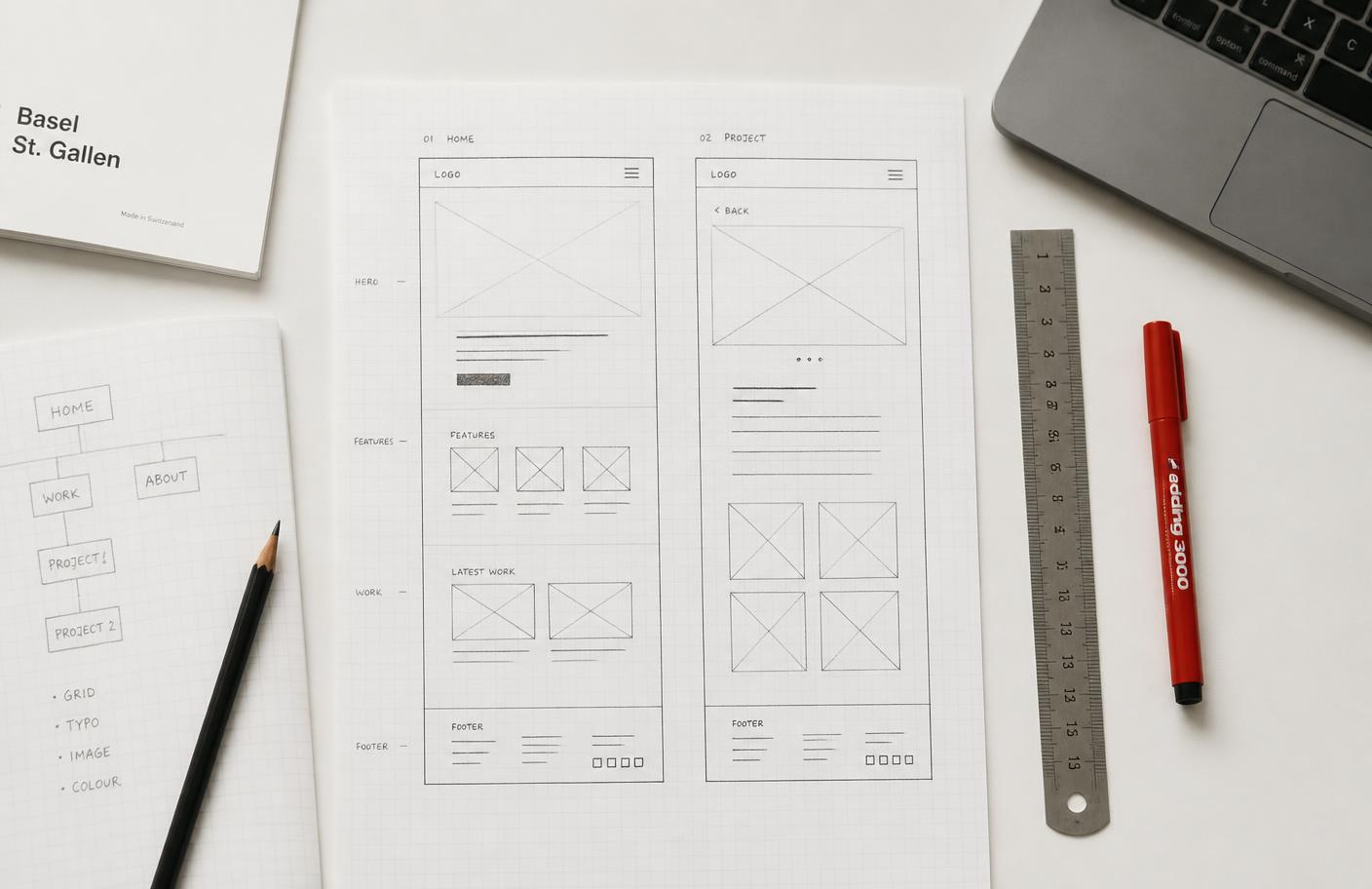
Fig. 03 — Structure agreed on paper before code is written
10Why companies choose TER MOTTE
Four reasons clients stay
Engineering-led delivery
Decisions are made by the people who write and operate the code, which keeps estimates and architecture connected to reality.
Full lifecycle coverage
Design, development, testing, deployment and support are handled by one team, so responsibility is never split at a handover.
Maintainability as a requirement
We treat readable code, tests and documentation as deliverables, not extras, because most of a system's cost comes after launch.
Adaptable engagement models
A complete project team, an extension of your existing team, or a focused advisory engagement, depending on what the work needs.
11Frequently asked questions
Questions we hear first
- 01What types of projects does TER MOTTE work on?
- We work on custom business software, customer-facing web applications, mobile applications, internal tools, integration layers between existing systems, and cloud platforms that support them. Projects range from a single focused application to a long-running engineering engagement alongside an in-house team.
- 02How does an engagement usually start?
- It starts with a written description of the problem you want solved. We review the context, ask questions about constraints, users and existing systems, and return a proposed scope with the technical approach, delivery stages and the assumptions behind them.
- 03Can TER MOTTE work with an existing codebase?
- Yes. We regularly take over or extend existing systems. The first step is a review of the code, data model, deployment setup and test coverage, followed by a plan that separates urgent fixes from structural improvements.
- 04Who owns the code and the intellectual property?
- Ownership of the delivered source code, designs and documentation is defined in the engagement agreement and is normally transferred to the client. We do not reuse client-specific code in other projects.
- 05How is quality verified before a release?
- Every change goes through code review, automated tests at unit and integration level, and checks in an environment that mirrors production. Release-critical paths are tested manually as well, and each release is documented so it can be traced and reversed if needed.
- 06What happens after launch?
- We can continue with maintenance and technical support: monitoring, dependency and security updates, incident handling, performance work and further development in agreed cycles.
12Contact information
Write to us
Describe the system you need, the problem you are trying to remove, or the decision you are weighing. A written outline is enough for a first response.
- Company
- TER MOTTE
- charlenewebb1989@gmail.com
- Website
- termotte.com
- Language
- English